The Hidden Costs of Delaying Repairs to a Leaking Roof
When water begins seeping through a ceiling, many homeowners are tempted to place a bucket beneath the drip and wait for clearer weather. In suburban areas like Gosnells, where blistering summer heat regularly gives way to intense winter rain fronts, delaying roof repairs is a gamble that rarely pays off. What begins as a minor moisture issue can swiftly escalate into catastrophic structural degradation, electrical hazards, and severe financial strain.
Structural Timber Decay and Ceiling Collapses
Water rarely drops straight down from the point of entry. Instead, it travels along rafters, battens, and ceiling joists before settling at the lowest point. Over time, untreated water intrusion leads to dry rot and fungal decay within structural timber framing. In timber-framed homes throughout Perth, prolonged dampness compromises load-bearing capacities.
Furthermore, plasterboard ceilings act like sponges. As gypsum plaster absorbs moisture, it sags under the accumulated weight. Without warning, saturated ceiling panels can collapse entirely, destroying furniture, electronics, and flooring below while creating immediate physical safety hazards for occupants.

The Cascade of Secondary Expenses
The invoice for fixing a cracked roof tile or replacing deteriorated ridge cap pointing is negligible compared to the secondary costs incurred when a leak is neglected. Water intrusion rarely confines itself to a single area.
- Saturated Insulation: Wet roof insulation permanently loses its thermal resistance (R-value). This causes heating and cooling systems to work significantly harder, driving up household energy bills across both scorching Gosnells summers and chilly winters. Saturated batts also trap moisture against timber ceilings indefinitely.
- Electrical Fire Hazards: Water trickling down internal wall cavities frequently comes into contact with junction boxes, lighting circuits, and power points. This triggers short circuits, damages costly wiring systems, and dramatically increases the risk of electrical fires.
- Pest Infestations: Damp, rotting timber provides an ideal entry point and nesting ground for termites, carpenter ants, and rodents looking for shelter from the elements.
- Extensive Mold Remediation: Within 24 to 48 hours of water exposure, harmful mold spores begin colonizing drywall, insulation, and timber surfaces, necessitating professional and costly environmental remediation.
Health Hazards and Indoor Air Quality
A leaking roof creates a persistent microclimate that fosters mold and mildew growth inside roof cavities and living spaces. Spores released by varieties such as Stachybotrys chartarum (black mold) circulate continuously through household ducted air conditioning https://charlieqxiv861.dovetailscope.com/posts/emergency-storm-damage-roof-repairs-essential-first-steps systems. Prolonged exposure can trigger severe allergic reactions, asthma attacks, persistent coughs, and upper respiratory irritation. Remediating widespread mold contamination is an invasive, expensive process that far exceeds the complexity of a straightforward roof maintenance visit.
Denied Insurance Claims
Many homeowners assume their building insurance policy will cover any interior water damage that arises. However, standard Australian home insurance policies draw a sharp distinction between sudden, unpreventable storm events and damage resulting from gradual wear, tear, or neglected maintenance. If an insurance assessor determines that internal damage was caused by pre-existing leaks or deteriorated flashings that were left unaddressed, the claim is often denied. This leaves the homeowner entirely responsible for thousands of dollars in rebuilding and restoration expenses.
Proactive Roof Care in Gosnells
The combination of intense UV exposure degrading sealants and seasonal heavy downpours makes proactive roof inspections essential. Identifying and addressing minor defects early protects the long-term value and structural integrity of your home.
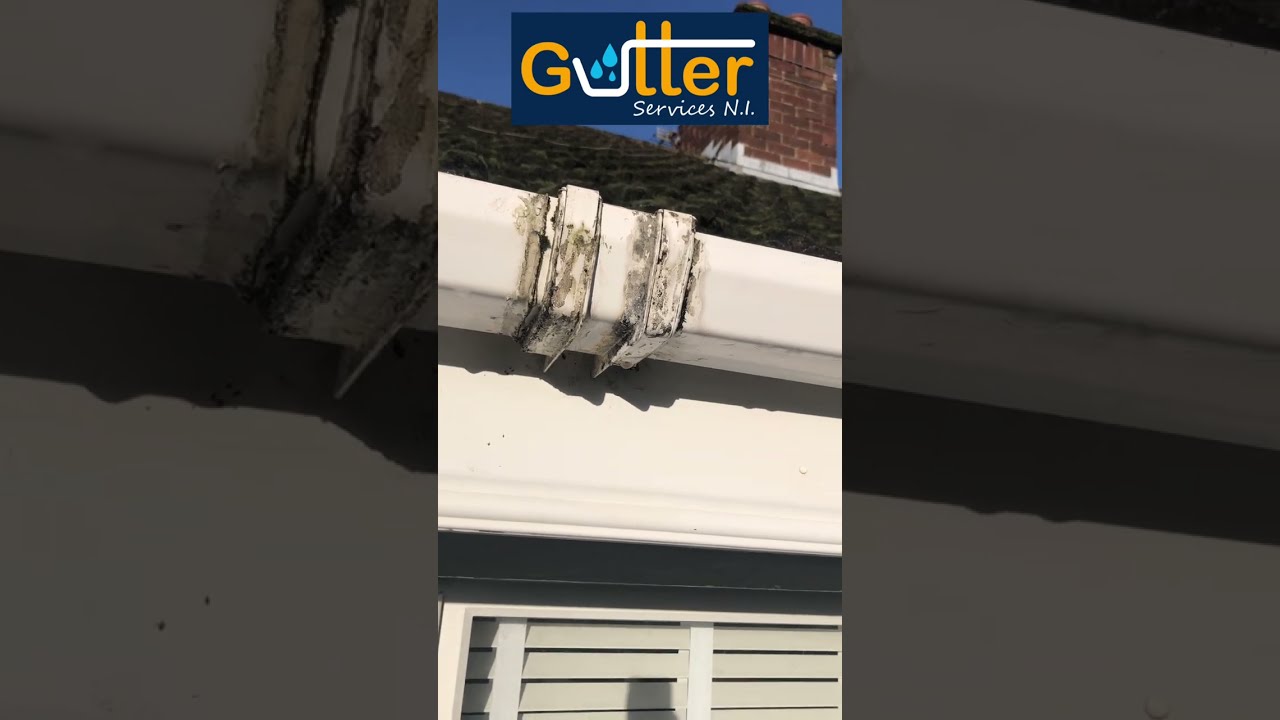

- Schedule regular visual inspections: Check roof valleys, flashings, and gutters at least twice a year, particularly prior to the winter storm season.
- Look for interior warning signs: Discolored paint, peeling wallpaper, musty odors, and subtle ceiling ripples all indicate hidden moisture intrusion.
- Engage qualified local professionals: Professional repairs ensure compliant materials and flashing methods suited to Western Australian building standards and climate conditions.
Addressing roof leaks immediately prevents a routine maintenance task from evolving into an emergency re-roofing and structural restoration project. The cost of a timely repair is always a fraction of the cost of long-term neglect.
Gosnells Roof Restoration
WA, 6110
(08) 6109 9623